Does a Prestigious Clinic Address Tell You Anything About the Professional?



 Oct 22, 2026
 5 min read
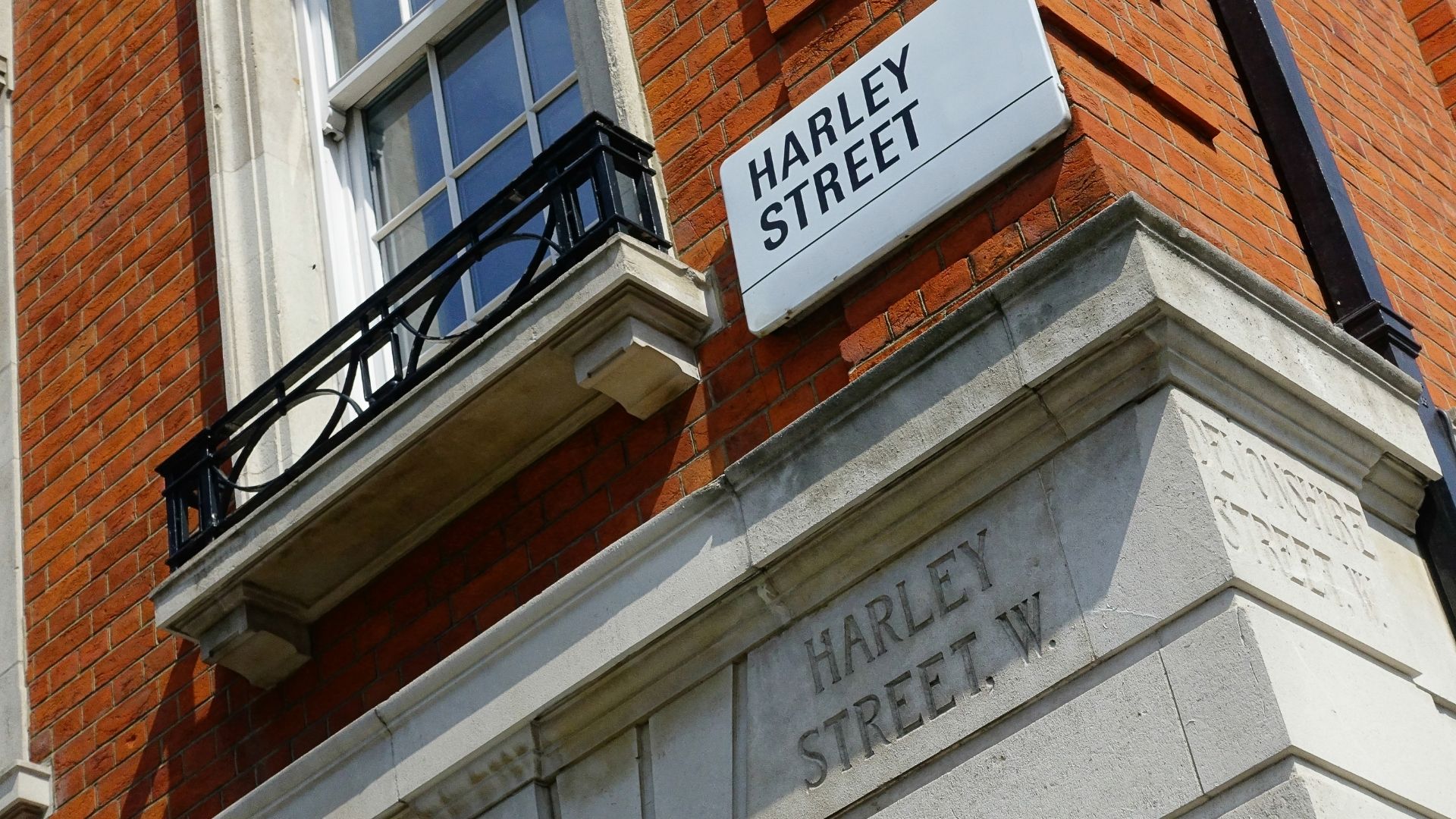
A clinic on Harley Street. A sleek reception area. A well-known postcode.
For many patients, a prestigious address can feel like a reassuring signal. If the clinic is in a respected medical area, it must be credible. If the premises look professional, the person behind the treatment probably is too.
But does an address actually tell you anything about the individual performing your procedure?
The address is not the practitioner
A clinic address tells you where a service is located. It does not tell you who is providing it, what their qualifications are, whether they are registered with a relevant professional body, whether they carry appropriate insurance, or how experienced they are in the procedure you are considering.
The regulatory landscape for non-surgical aesthetics in England remains uneven and is currently evolving. Requirements vary according to the procedure and professional involved, which makes it particularly important for patients to look beyond the clinic address and understand who is actually providing their treatment.
A well-known address does not change that. A practitioner operating from a clinic in a prestigious area may have decades of relevant experience and strong professional credentials. Or they may not. The address alone does not distinguish between the two.
Prestigious addresses can be rented
One of the reasons patients should be cautious about using address as a proxy for credibility is that clinic space can be rented.
Prestigious medical addresses can contain multiple independent businesses and professionals, including practitioners using shared or rented clinical space. Many qualified professionals use shared space legitimately, but the address alone does not tell a patient how long a practitioner has operated there or what professional credentials they hold.
That means the address on a website or social media profile is not evidence of an ongoing, established practice — and patients should not assume otherwise without checking further.
What patients should check instead
If the address is not a reliable indicator of quality or credibility, what should patients look at?
The practitioner themselves.
Before booking, it is worth understanding who will actually be performing the treatment — not just which clinic it takes place in. That means looking at the individual professional's qualifications, their registration with a relevant regulatory body, their insurance, their experience with the specific procedure, and whether their identity and credentials have been independently checked.
These are the kinds of details that professional verification is designed to make more visible. On Compare Cosmetic, verified professionals are checked against relevant qualifications, professional registration, insurance and identity requirements — giving patients more information about the person behind the treatment, regardless of where the clinic happens to be located.
The clinic environment still matters — but differently
None of this means the clinic itself is irrelevant. A clean, well-maintained treatment environment matters for safety and hygiene. Appropriate equipment, infection control and emergency protocols all contribute to patient safety.
But those are operational standards, not marketing signals. A clinic can meet high operational standards in a quiet suburban location just as easily as it can on a famous London street. And a prestigious address does not guarantee that any of those standards are being met.
The useful question for patients is not "does this clinic look impressive?" It is "does this clinic meet the standards I should expect, and do I know enough about the person providing my treatment?"
Social media and marketing add another layer
Address is not the only thing that can create a misleading impression of credibility.
Professional-looking websites, polished social media feeds, celebrity endorsements, high follower counts and curated before-and-after galleries can all contribute to an image of authority — without necessarily reflecting the practitioner's actual qualifications, experience or professional accountability.
That is why checking the person matters. A strong social media presence is not a professional credential. A prestigious address is not a qualification. And impressive marketing is not a substitute for informed patient research.
The person behind the treatment matters most
Patients should absolutely consider the clinic environment, the location, the convenience and the overall experience. Those things matter.
But the most important factor in any aesthetic treatment decision is the professional providing the care: who they are, what their background is, whether their credentials have been checked, and whether they are accountable through relevant professional registration.
That is the information that helps patients make more informed decisions — and it is the kind of information that should be easy to find before a booking is made, not something patients have to investigate on their own.
Where Compare Cosmetic fits
Compare Cosmetic is built around the idea that patients should be able to understand who is behind their treatment before they decide to proceed.
Verified professionals are checked against relevant qualifications, professional registration, insurance and identity requirements. That information is made visible within the professional's profile, so patients can assess the person providing their care — not just the clinic they happen to work from.
Because a postcode is not a qualification. And knowing who is behind your treatment matters more than knowing where the treatment room is.
This article provides general information and does not constitute individual medical or legal advice. Professional requirements may vary according to the practitioner, procedure and circumstances.